
Designing Your House Around an F5-Rated Safe Room for Home Protection
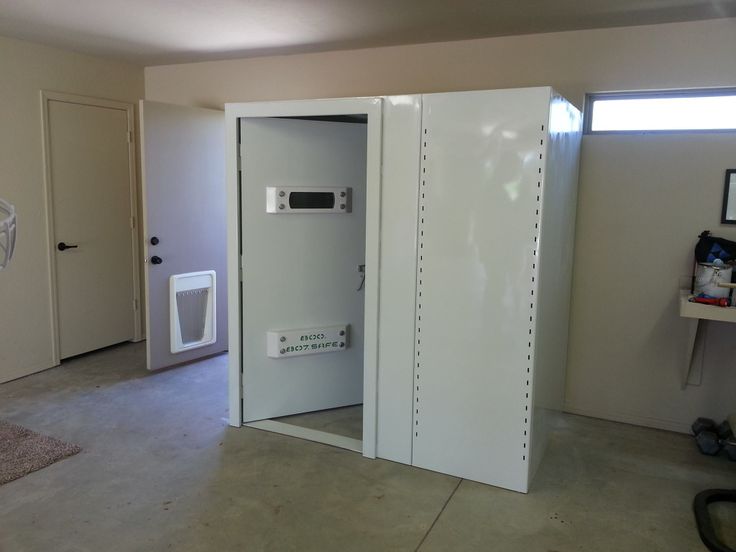
Severe weather has become an increasing concern for homeowners across many regions, and traditional construction methods are often not enough to protect families from the most violent storms. An F5-rated safe room for home protection represents the highest level of structural defense against extreme winds, flying debris, and catastrophic storm events. Rather than treating a safe room as an afterthought, more homeowners are choosing to integrate this protective space directly into the architectural design of their houses. When properly planned, a safe room can become a seamless, secure, and functional part of daily living while still serving its primary purpose during emergencies.
Designing a home with an F5-rated safe room for home protection requires more than simply adding reinforced walls. It involves structural planning, strategic placement, material selection, and careful coordination with builders and engineers. The goal is to create a space that offers unmatched safety without compromising the overall design or livability of the home.
Integrating Safety into the Foundation and Structure
The most effective way to include an F5-rated safe room for home protection is to plan for it during the earliest stages of construction. Because these rooms must withstand wind speeds exceeding 200 miles per hour and resist high-impact debris, their structural integrity depends heavily on how they are anchored to the home’s foundation. Building the safe room as part of the slab or basement structure ensures it has the strongest possible connection to the ground, which is critical during violent storm conditions.
Concrete and steel reinforcement are the backbone of any true F5-rated safe room for home protection. The walls, ceiling, and door must be engineered as a unified system designed to resist pressure from all directions. When incorporated into the house’s structural layout, the safe room can double as an interior core that strengthens the entire building. This design approach not only improves storm resistance but also reduces the visual and spatial disruption that occurs when safe rooms are added later as standalone units.
Structural engineers often recommend placing the safe room near load-bearing walls or central support areas. Doing so allows the room to act as a hardened anchor within the home’s framework. With proper integration, the safe room becomes both a life-saving shelter and a stabilizing structural feature.
Strategic Placement for Accessibility and Protection
Location plays a critical role in the effectiveness of an F5-rated safe room for home protection. The room should be easily accessible from all main living areas so that occupants can reach it quickly when severe weather warnings are issued. Placing the safe room on the ground floor is ideal, as upper-level rooms are more vulnerable to collapse during extreme storms.
Many homeowners choose to incorporate the safe room into spaces that already serve practical purposes, such as walk-in closets, interior bathrooms, or reinforced storage rooms. This dual-use design allows the F5-rated safe room for home protection to remain functional every day without occupying additional square footage. The key is ensuring that the room maintains strict construction standards while blending naturally into the home’s layout.
Central placement also reduces exposure to exterior walls and windows, which are the most common failure points during tornadoes. A properly located safe room creates a secure refuge shielded by multiple layers of the home’s structure. By prioritizing accessibility and protection during the design phase, homeowners significantly improve the safety and effectiveness of their shelter.
Materials and Design Considerations
Building an F5-rated safe room for home protection requires specialized materials capable of surviving extreme conditions. Reinforced concrete, steel panels, and impact-resistant doors are essential components. Unlike standard interior rooms, safe rooms must meet rigorous testing standards to ensure they can resist projectile debris traveling at high speeds.
Ventilation is another important factor. Even though the room must remain sealed and secure, it still needs a protected airflow system designed to prevent structural compromise. Engineers typically incorporate hardened vents that maintain the integrity of the F5-rated safe room for home protection while allowing occupants to remain inside for extended periods if necessary.
Interior design should also be considered. Since the safe room will be used during high-stress emergencies, it should include seating, emergency supplies, communication devices, and adequate lighting. Designing these features in advance ensures the room remains both practical and comfortable without interfering with its protective function.
Door placement is equally critical. The entry must open inward to prevent blockage from debris and should be constructed with multiple locking points anchored into reinforced framing. These details ensure that the safe room performs exactly as intended when it matters most.
Making the Safe Room a Functional Living Space
One of the most effective design strategies is to make the F5-rated safe room for home protection a natural part of everyday life. Rather than appearing as a cold, industrial structure, the room can be styled as a closet, study, pantry, or private retreat while still maintaining full structural reinforcement. This approach encourages consistent familiarity with the space, allowing family members to access it instinctively during emergencies.
Blending safety with function also reduces the psychological barrier many homeowners feel when adding protective features. When the safe room serves a dual purpose, it becomes a valuable asset instead of a rarely used enclosure. Proper finishing, paint, shelving, and layout planning allow the room to align visually with the rest of the house while concealing its reinforced core.
This design philosophy ensures that the F5-rated safe room for home protection remains accessible, practical, and integrated without sacrificing comfort or aesthetics.
Long-Term Value and Peace of Mind
Designing a home around an F5-rated safe room for home protection is an investment in both safety and property value. As awareness of extreme weather risks grows, buyers increasingly view safe rooms as essential features rather than optional upgrades. A properly integrated shelter enhances a home’s appeal and demonstrates a proactive commitment to family security.
Insurance benefits may also apply, as some providers offer incentives or reduced premiums for homes equipped with certified storm protection. Beyond financial considerations, the true value lies in peace of mind. Knowing that a fully reinforced safe space is built directly into the home allows families to respond confidently during emergencies.
Planning ahead ensures the safe room is not only stronger but also more convenient and cost-efficient than retrofitting later. Homeowners who prioritize safety during construction create a living environment designed to protect what matters most without compromise.


